
Yes, if risk is already part of your job. The PMI-RMP is a specialist credential: PMI counts only months spent on project risk management, so it says something about you that a general credential cannot. If you are still building project experience, the PMP will open more doors first.
The short answer
Take the PMI-RMP if you own the risk register, run risk workshops or quantify risk for decisions other people make. If your work is broader project delivery, start with the PMP and add the RMP once risk becomes the part of the job you are known for.
What the PMI-RMP proves
That you can run risk as a process, not a column in a status report. The exam covers five domains: Risk Strategy and Planning (22%), Risk Identification (23%), Risk Analysis (23%), Risk Response (13%) and Monitor and Close Risks (19%). Predictive, agile and hybrid approaches run through all of them. PMI positions the credential at three to five years of experience, so it reads as seniority, not an entry ticket.

It is worth it if
You work in a field where risk carries the budget: construction, infrastructure, finance, energy, public sector programs. You want to move from project manager to risk lead or PMO risk owner. Or you already hold the PMP and want the credential that shows a specialism rather than another general one. PMI reports that organisations plan to invest 36% more in risk within two years, which is where demand for the skill comes from.
Get the PMP first if
Your risk experience is mostly general project work with a risk register attached. That is the experience PMI catches at audit when it is written up as risk work. The PMP covers far more roles in job postings, and it builds the project foundation the RMP assumes you already have.
What it asks of you
With a bachelor's degree, 24 months of project risk management experience in the last five years and 30 hours of risk management education; 12 months if your degree is from a GAC accredited program. With a high school diploma, 36 months and 40 hours. The exam is 115 questions in 150 minutes, of which 100 are scored. PMI publishes no passing score and no count of holders. You keep it by earning 30 PDUs every three years, with no exam to re-sit.
How to prepare
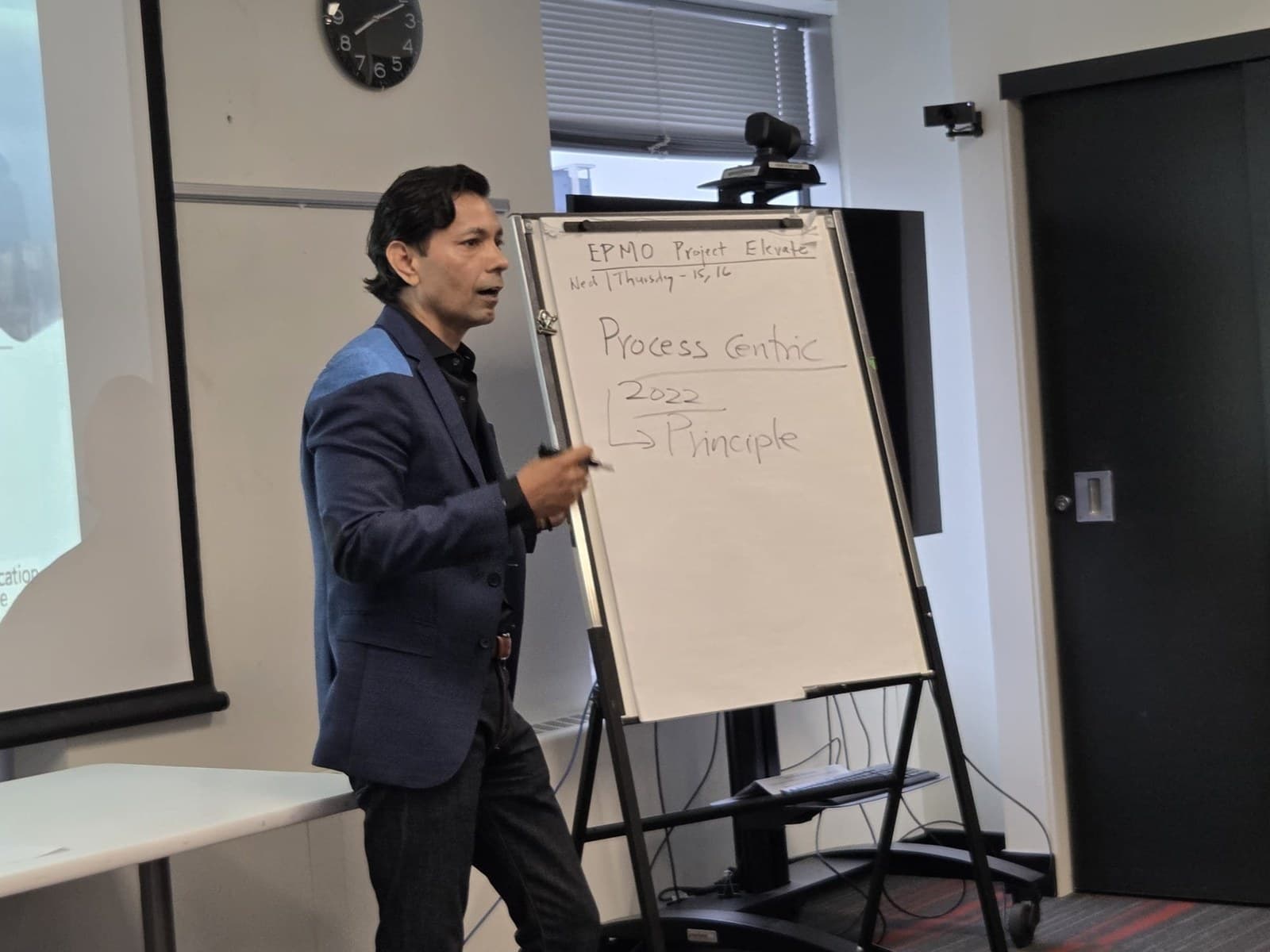
Our live PMI-RMP course is 35 hours, built on PMI's current Exam Content Outline, with weekly reviews and quizzes, mock exams, and help with your application and any audit. Hemant Dhariyal, who teaches it, holds the PMI-RMP himself. If you are choosing between several PMI credentials, his post on what every PMI certification taught him compares them from the inside.
Frequently asked questions
- 01
Is the PMI-RMP harder than the PMP?
It is narrower and deeper. The PMP is 180 questions across all of project management; the PMI-RMP is 115 questions on risk alone, so it tests judgement within one discipline more closely.
- 02
Do I need the PMP before the PMI-RMP?
No. PMI does not require it. What it requires is months of project risk management experience plus risk management education.
- 03
What is the PMI-RMP passing score?
PMI does not publish one. Any percentage quoted online is an estimate. You receive a pass or fail with performance detail for each domain.
- 04
How long is the PMI-RMP valid?
Three years. You renew by earning 30 PDUs in that cycle, without sitting the exam again.
Education Edge is a PMI Authorized Training Partner (ATP #4456). Every course is live and instructor-led, and selected courses carry a 100% pass guarantee or your money back.