
Yes, if your projects are buildings, roads or infrastructure. The PMI-CP is PMI's credential for construction and the built environment, and half of its exam is contracts management: the claims, change orders and disputes that decide whether a capital project lands. It also has no degree requirement. If your career runs across industries, the PMP will travel further.
The short answer
Take the PMI-CP if you are an owner's representative, a contractor's project manager or a consultant on large builds, and contracts and claims fill your week. If you move between industries, or the roles you want ask for the PMP by name, start there and add the PMI-CP later.
What the PMI-CP proves
That you can manage the commercial side of construction, not only the schedule. The exam weights Contracts Management at 50%, Stakeholder Engagement at 30%, Strategy and Scope Management at 15% and Project Governance at 5%. Interface management, claims and dispute resolution are named exam content. Above it sits the PMI-SCP, Senior Construction Professional, for anyone who wants the next tier.
It is worth it if
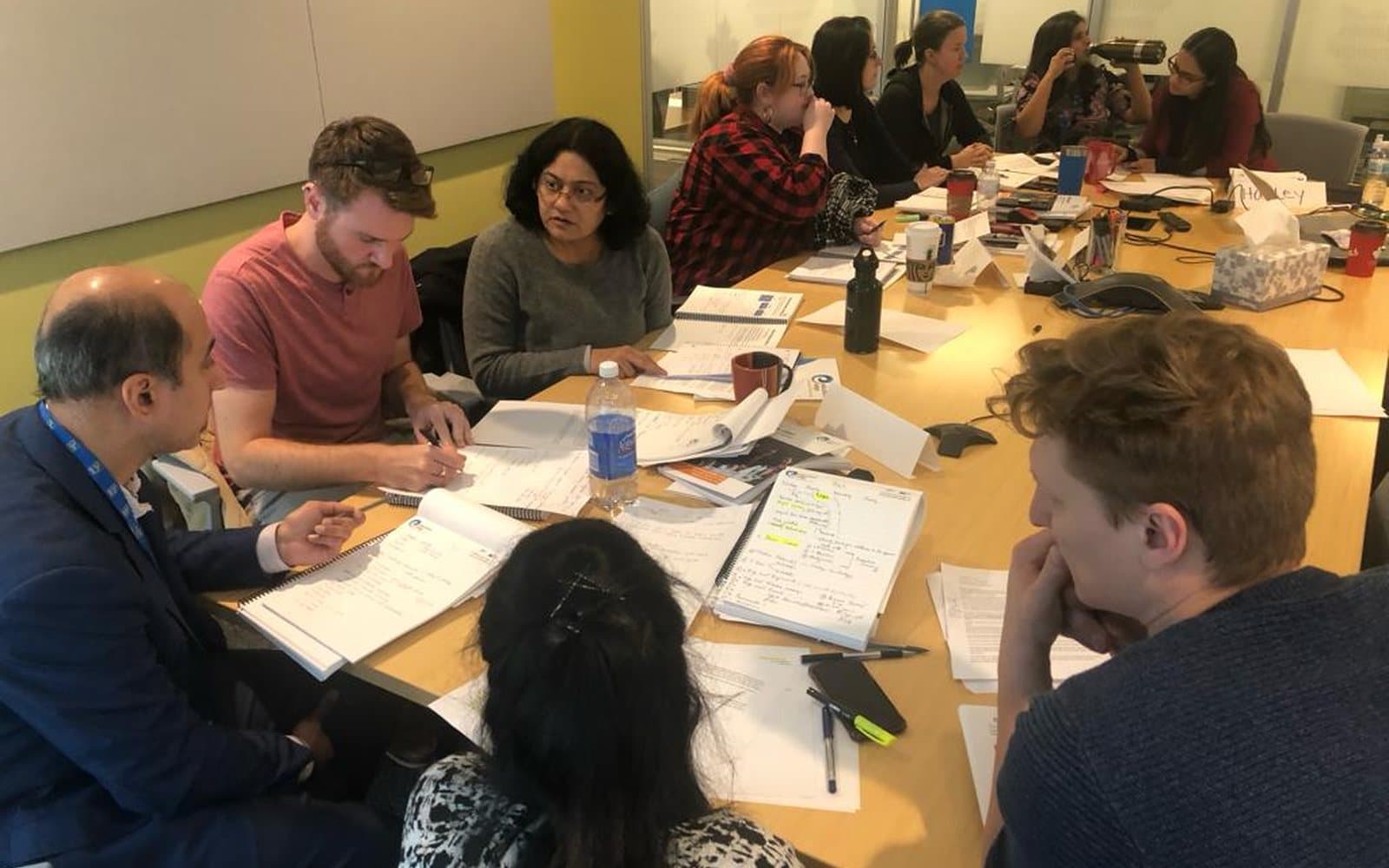
You work on capital projects for an owner, a contractor or a consultancy. You have three years on construction or built environment projects but no degree, because the PMI-CP sets no education requirement. You want a credential that names your sector. Or you want lighter upkeep: renewal is 30 PDUs every three years, half what the PMP asks.
The PMP may fit better if
Construction is one chapter of a broader project career, or you plan to move into other sectors. The PMP is recognised in every industry, and nothing stops you adding the PMI-CP once construction becomes your specialism. Hemant's post on what every PMI certification taught him compares PMI's credentials from the inside.
What it asks of you
Three years of on-the-job experience on construction or built environment projects, all within the past 10 years, and PMI's four required modules completed before you apply. The modules are self-paced, can be taken in any order, and each earns PDUs. The exam is 120 questions in 230 minutes. PMI publishes no passing score or pass rate, and it selects some applications for audit.
How to prepare
Our PMI-CP course gives you 35 contact hours over four weeks, at a pace that fits your work week; we suggest 3 to 6 hours a week. It covers all four exam domains, your application and exam day. Hemant Dhariyal, who leads it, holds both the PMI-CP and the PMI-SCP.
Frequently asked questions
- 01
Do you need a degree for the PMI-CP?
No. PMI asks for three years of construction or built environment experience within the past 10 years, plus its four required modules. There is no education requirement.
- 02
Do you need the PMP before the PMI-CP?
No. The PMI-CP stands on its own, and either credential can come first.
- 03
What is the PMI-CP passing score?
PMI does not publish one, and it publishes no pass rate either. Any figure quoted online is an estimate.
- 04
How long is the PMI-CP valid?
Three years. You renew by earning 30 PDUs in each cycle, without sitting the exam again.
Education Edge is a PMI Authorized Training Partner (ATP #4456). Every course is live and instructor-led, and selected courses carry a 100% pass guarantee or your money back.