
PMP exam preparation checklist refers to a structured, step-by-step plan that guides you from eligibility to exam day using proven methods, mock exams, and weekly milestones. In Mississauga, Education Edge’s instructor-led weekend cohorts streamline this process so busy professionals can study 6–8 weeks and sit for the PMP with confidence.
By Hemant Dhariyal — Education Edge
Last updated: 2026-06-04
Quick Summary
Use this PMP prep checklist to move from application to exam day in 6–8 weeks: confirm eligibility, schedule study blocks, master domains, drill exam-style questions, and run two full-length mocks. Education Edge’s weekend cohort, coaching, and question bank help you hit consistent 70–80% practice scores before booking.
Here’s what you’ll get in this complete guide and how to use it effectively:
- Plain-English definition of a PMP exam preparation checklist and why it works.
- A 13-step study plan with weekly milestones and pass markers (e.g., 70–80% in mocks).
- Comparison of bootcamps vs 6–8 week cohorts vs self‑study, plus a buying guide for PMI ATPs.
- Mississauga-specific tips for weekend study rhythms and local scheduling realities.
- Downloadable-style lists you can copy into your planner and follow day by day.
What is a PMP exam preparation checklist?
A PMP exam preparation checklist is a sequenced, measurable plan that covers eligibility, study blocks, reference materials, question practice, mock exams, and exam logistics. It reduces decision fatigue, ensures coverage of all domains, and sets clear pass indicators like 70–80% on timed, mixed‑mode practice tests.
At its core, a checklist makes the PMP manageable. The exam currently includes 180 questions across three domains delivered in 230 minutes with two optional breaks. A checklist breaks that complexity into weekly actions so you don’t guess what to do next or when to switch tasks.
- Scope control: Ensures you cover People, Process, and Business Environment without over-indexing on any single area.
- Momentum: Converts a 6–8 week window into 10–12 focused study sessions per week (45–75 minutes each).
- Feedback loops: Uses item analysis and error logs so every mistake pays learning dividends.
- Confidence markers: Treats 1–2 full-length mocks at 70–80% as your green light to schedule the exam.
In our experience coaching working professionals in Mississauga, the candidates who follow a written checklist finish their application faster, sustain 10–12 hours of study weekly, and arrive at test day with practiced time management.
Above-Fold: Hook and Table of Contents
Skim first, then follow the sections in order. Start with eligibility, set a realistic 6–8 week plan, master high-yield topics, and validate readiness with two timed mocks. Use the comparison table and buying guide to choose the right training track before you commit.
Use this Table of Contents to jump to what you need:
- Why a checklist matters
- How the checklist works
- The 13‑step PMP checklist
- Study approaches compared
- Buying guide: choosing a PMI ATP
- Best practices and common pitfalls
- Tools, resources, and templates
- Case studies and examples
- FAQ
- Key takeaways
Why a PMP prep checklist matters
A written PMP prep checklist turns ambiguity into a trackable plan. It aligns time blocks to exam domains, defines readiness using mock‑exam thresholds, and reduces stress by sequencing application, study, and scheduling tasks logically over 6–8 weeks.
The PMP assesses applied judgment in project scenarios, not just definitions. With 180 questions and a 230‑minute clock, candidates who plan weekly sprints, track weak topics, and rehearse breaks perform more consistently. A simple rule helps: what’s planned gets done; what’s measured improves.
- Efficiency gains: Pre-allocating 10–12 study hours each week avoids last-minute cramming that hurts retention.
- Coverage certainty: Mapping study tasks to People, Process, and Business Environment ensures no domain is left behind.
- Lower anxiety: Two full mocks with 70–80% scores reduce uncertainty and bring exam-day familiarity.
- Faster progress: A weekly cadence (e.g., Sat/Sun live class + 2–3 midweek blocks) makes 6–8 weeks realistic for busy professionals.
We’ve found that professionals juggling work and family in the GTA stay on track when they use a visible plan—calendarized study windows, a short daily drill, and a weekly reflection to adjust focus.
How a PMP exam preparation checklist works
It sequences tasks from eligibility to exam day. You verify prerequisites, choose a training approach, assign weekly study blocks, practice mixed‑mode questions, review error patterns, complete two timed mocks, and book the exam only after consistent 70–80% practice results.
Here’s the typical flow candidates follow in our weekend cohorts in Mississauga:
- Eligibility and application: Document hours, request references, and prepare concise project descriptions.
- Plan: Reserve 10–12 hours weekly over 6–8 weeks; pre-book your mock dates in weeks 5–6.
- Learn: Cover high-yield domains first, then spiral back for depth.
- Practice: Short daily drills plus two full-timed mocks (230 minutes, 180 questions).
- Decide: Book the exam after you’ve held 70–80% across at least two full mocks.
A checklist is more than tasks—it’s a decision framework. For example, you’ll escalate study time on weak task areas and freeze new content during your final 7–10 days, focusing solely on mixed‑topic practice and review.
The 13‑step PMP exam preparation checklist
Follow these 13 steps across 6–8 weeks: confirm eligibility, set study hours, choose your training track, gather materials, map domains, drill daily questions, run two full mocks, and finalize exam logistics. Treat 70–80% mock scores as your booking trigger.
Steps 1–4: Set up and plan
- 1) Confirm eligibility: Validate your education, experience hours, and 35 contact hours plan. Prepare concise project summaries.
- 2) Pick an approach: Choose between bootcamp, 6–8 week cohort, or self‑study (comparison table below).
- 3) Time-block 6–8 weeks: Reserve 10–12 hours weekly. Pre-book two mock exam windows in weeks 5–6.
- 4) Gather materials: Core references, a question bank, and a realistic mock platform with detailed analytics.
Steps 5–9: Learn and practice
- 5) Map the domains: Organize notes under People, Process, and Business Environment; tag common pitfalls.
- 6) Learn by scenarios: Focus on situational judgment, change control, risk responses, and stakeholder dynamics.
- 7) Drill daily: 20–30 mixed questions a day, 25–35 minutes, with an error log capturing the root cause.
- 8) Weekly review: Revisit the 2–3 weakest topics using targeted sets (30–40 items) and fresh explanations.
- 9) Full Mock #1: 180 questions in 230 minutes. Review every missed item; re-classify errors by concept.
Steps 10–13: Validate and execute
- 10) Remediate gaps: Build 2–3 custom quizzes that isolate weak areas; repeat until you reach 70–80%.
- 11) Full Mock #2: Aim for consistent 70–80% overall with steady pacing across all sections.
- 12) Exam logistics: Confirm ID, testing modality, break strategy, and test center timing if applicable.
- 13) Final 72 hours: Stop learning new topics; do 3–4 short mixed sets daily and rehearse your break routine.
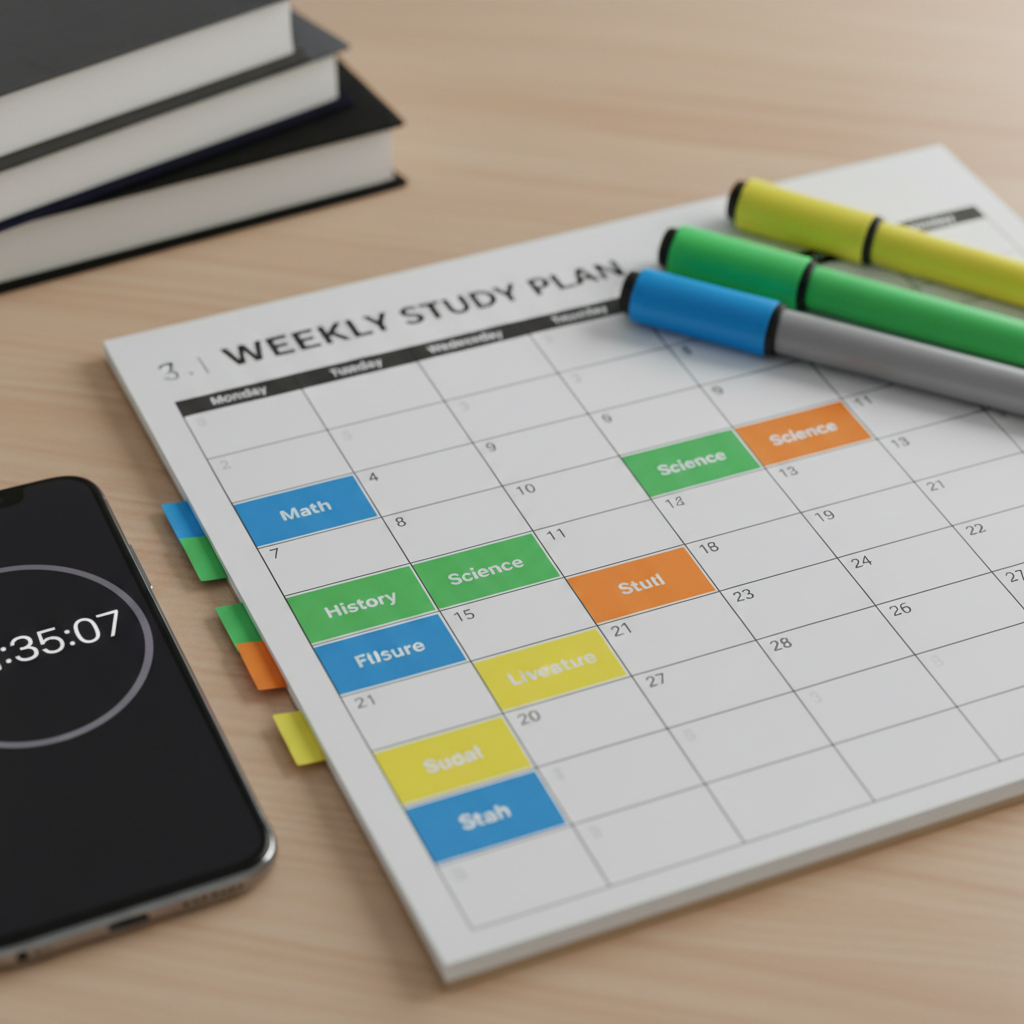
Study approaches compared: bootcamp vs cohort vs self‑study
Choose a 6–8 week instructor-led cohort for structure and accountability, a bootcamp for speed with heavier self‑study later, or self‑study for maximum flexibility. Most busy professionals pass faster in a cohort because practice and feedback are built into each week.
Use this comparison to pick your lane before you commit time. Many candidates discover that structured weekends plus midweek micro‑blocks strike the best balance between momentum and retention.
| Approach | Ideal For | Pros | Watch-outs |
|---|---|---|---|
| Bootcamp (3–5 days) | Those with open weekdays needing a quick start | Fast exposure; intense focus; immediate momentum | Content saturation; limited retention; heavy post‑camp practice still required |
| 6–8 week weekend cohort | Working pros who want structure + coaching | Accountability, spaced repetition, live Q&A, integrated mocks | Requires steady weekly commitment; calendar discipline |
| Self‑study | Highly self‑directed learners | Maximum flexibility; pace control; custom resources | Risk of blind spots; no feedback; motivation dips |
Education Edge’s weekend format centers on outcome-driven prep: live instruction, weekly practice targets, and coaching tuned to current exam patterns. If team-wide upskilling is your priority, see our corporate training guide for cohort options across Canada.
Buying guide: choosing a PMI Authorized Training Partner
Choose a PMI ATP with certified instructors, 6–8 week cohorts, realistic question banks, and post‑course coaching. Look for transparent pass outcomes, application support, and weekend schedules that match your work rhythm in Mississauga and the GTA.
Here’s a quick buying framework you can apply this week:
- Instructor credibility: Instructors should be certified and experienced in coaching candidates to Above Target.
- Program cadence: A weekend cohort over 6–8 weeks supports adult learning better than compressed sprints.
- Assessment quality: You need mixed‑mode questions, detailed rationales, and analytics for weak areas.
- Support beyond class: Application guidance and timely Q&A reduce friction from start to finish.
- Proof of outcomes: Look for consistent pass stories and a money‑back assurance tied to readiness criteria.
Education Edge is a PMI Authorized Training Partner in Mississauga offering instructor-led PMP training, realistic mock exams, and end‑to‑end support. For agile‑leaning roles, compare paths in our PMP vs PMI‑ACP overview to align certification with your goals.
Best practices and common pitfalls
Anchor your week with two long study blocks and two short drills, log every mistake, and freeze new content 7–10 days before the exam. Avoid passive reading, last‑minute cramming, and skipping full mocks—they undermine recall and time management under pressure.
Best practices to adopt
- Weekly anchor blocks: Two 90–120 minute sessions for deep concepts; two 25–35 minute drills for retrieval practice.
- Error log discipline: Record question, concept, root cause, and a fix. Revisit logs twice per week.
- Spaced repetition: Re-cycle high-yield topics every 4–5 days to protect against forgetting.
- Mock exam realism: Sit both 230-minute mocks with planned breaks to emulate test day.
Common pitfalls
- Only reading: Without mixed questions, you won’t build decision speed on scenario items.
- Topic hoarding: Collecting resources but not finishing sets; breadth without mastery helps little.
- Skipping breaks: Not rehearsing rest timing leads to avoidable fatigue during the 180‑question marathon.
- Late booking: Waiting to schedule can reduce your preferred time windows during busy periods.
Want targeted practice advice? Explore our PMP mock exam tips to turn review sessions into measurable score gains.
Tools, resources, and templates
Use a calendar, a question bank with analytics, two full‑length mocks, and a simple error log. Add a 6–8 week cohort if you want coaching, accountability, and integrated practice milestones built into your weekends.
- Study plan template: Block 10–12 hours weekly, with two 90–120 minute sessions and two 25–35 minute drills.
- Question sources: Mixed‑mode sets that mimic timing and explanations you’ll see on test day.
- Mock exams: Two 180‑question sessions under 230 minutes; review all items within 24 hours.
- Error log: A single spreadsheet or notebook captures every miss and your fix, making progress visible.
- Knowledge Center: Education Edge regularly shares strategies; see how to study for PMP and pass for a deeper walkthrough.
For teams, our team certification training guide outlines how to plan a multi‑certification upskilling program across Canada.
Case studies and examples
Busy professionals in Mississauga pass faster when they anchor weekends with live sessions and use midweek micro‑drills. Two Education Edge learners—one project manager and one BA—cleared PMP within 8 weeks after hitting steady 70–80% on full mocks and following a strict error‑log routine.
Case example: Working PM in the GTA
This candidate attended our weekend cohort, logging roughly 12 hours of study weekly. By week 5, their first full mock hit 72%, with time left in each section. After targeted remediation focused on change control and risk responses, Mock #2 climbed to 79%, leading to a pass with Above Target in multiple domains.
Case example: BA transitioning to PM
A business analyst from Mississauga used the same checklist but emphasized stakeholder engagement scenarios and schedule risk. Consistent 30‑question nightly drills raised accuracy from 62% to 78% in three weeks. After freezing new content a week before test day, they passed on the first attempt.

Local considerations for Mississauga
- Weekend-first rhythm: Lean on Sat/Sun anchors and two midweek drills to match GTA work patterns and commute times.
- Seasonal scheduling: Holidays and peak vacation windows fill fast; reserve mock and exam dates 3–4 weeks ahead.
- Team options: If several colleagues plan certification, a private cohort can align calendars and raise accountability.
Next steps after PMP: related certification paths
After PMP, consider PMI‑ACP for agile delivery, PMI‑RMP for risk depth, or program/portfolio tracks (PgMP, PfMP). If you’re earlier in your career, CAPM provides a structured on‑ramp with foundational practice and exam discipline you can reuse.
Choosing your next step depends on role goals and organizational needs:
- Agile trajectory: Compare roles and outcomes in our PMP vs PMI‑ACP guide.
- Risk leadership: Explore risk-focused development, then align with future PMI‑RMP preparation.
- Program vs portfolio: For multi‑project oversight, see our PfMP vs PgMP comparison.
- Early-career path: If you’re building hours, CAPM habits transfer well to PMP—review our CAPM planning resources.
- BA to PM bridge: Our article on business analysis certification for PMs outlines skill crossovers.
Frequently Asked Questions
These concise answers address the questions we hear most from Mississauga-based candidates about timelines, mocks, and what “ready” looks like. Use them to calibrate your plan before you book.
How long does solid PMP prep usually take?
Most working professionals succeed with 6–8 weeks of structured prep: two long weekend blocks and two short midweek drills. Many treat two full‑length mocks at 70–80% as their go/no‑go signal to book the exam.
How many practice questions should I complete?
Aim for 20–30 mixed questions daily and at least two 180‑question full mocks. Track an error log and repeat weak areas until you hold steady in the 70–80% range on timed sets.
What materials are essential?
You need a core reference, a realistic question bank with detailed explanations, two full mock exams, and a simple error log. Add a 6–8 week cohort if you want coaching, accountability, and integrated milestones.
How do I know I’m ready to book?
Book when you’ve achieved consistent 70–80% on two timed, 180‑question mocks with stable pacing and no single domain far below the others. Freeze new content and focus on mixed‑topic review for the final week.
Key takeaways
Write your plan, trust your milestones, and use data from mocks to decide when to book. A 6–8 week, cohort‑backed checklist with daily mixed questions and two full mocks is the fastest, least‑stressful path to a confident pass.
- Follow a sequenced 13‑step PMP exam preparation checklist.
- Reserve 10–12 hours per week, anchored by weekend sessions.
- Use error logs and analytics to correct weak areas quickly.
- Treat two full mocks at 70–80% as your green light.
- Leverage Education Edge’s weekend cohorts and Knowledge Center.
Ready to move from plan to pass? Join Education Edge’s instructor-led weekend PMP cohort in Mississauga or request a team session across Canada. You’ll get structured classes, realistic question banks, and coaching until exam day.
Want bite-size tips? See our short visual summaries like six simple steps in 30 days and seven essential preparation tips for fast refreshers.



